
BLOGS
Professional Counseling Services for Personal Growth Success

From Healing to Success: Combining Professional Counseling Services with Personal Growth Coaching
In today’s fast-paced world, emotional well-being and personal achievement are closely connected. Many people seek help only when they feel overwhelmed, anxious, or stuck in life. However, real transformation often happens when healing is combined with forward-focused development. That’s where the integration of professional counseling services and personal growth coaching creates powerful results.Instead of choosing one approach, individuals are increasingly combining both to achieve emotional balance, clarity, and long-term success.
Understanding Professional Counseling Services
Professional counseling services focus on emotional healing, mental health support, and resolving personal challenges such as stress, trauma, relationship issues, or anxiety. Licensed counselors and therapists use evidence-based techniques to help individuals understand their thoughts, emotions, and behaviors.Key Benefits
● Emotional healing from past experiences● Stress, anxiety, and depression management
● Relationship and communication improvement
● Development of healthy coping mechanisms
According to global mental health reports, nearly 1 in 8 people worldwide experience mental health challenges, highlighting the growing need for counseling support. When emotional obstacles are addressed, individuals gain clarity and stability, which becomes the foundation for growth.

What Is Personal Growth Coaching?
While counseling focuses on healing, personal growth coaching focuses on moving forward. Coaches help individuals identify goals, create strategies, and build habits that lead to success in career, relationships, health, and personal development.What Coaching Helps With
● Goal setting and accountability● Confidence building
● Career growth and leadership development
● Productivity and time management
● Building positive habits
Research from the International Coaching Federation (ICF) shows that over 80% of coaching clients report increased self-confidence , and more than 70% see improved work performance . These outcomes demonstrate how coaching supports measurable progress.
Why Combining Counseling and Coaching Works
Many people believe counseling and coaching serve the same purpose, but they complement each other. Counseling helps you heal what’s behind you; coaching helps you create what’s ahead. When both are used together, individuals experience a holistic transformation.1. Healing Emotional Barriers Before Goal Pursuit
Unresolved emotional struggles often prevent people from achieving their goals. Through professional counseling services, individuals release emotional blocks such as fear, trauma, or self-doubt. Once these challenges are addressed, personal growth coaching helps them take confident action.
2. Stronger Self-Awareness Leads to Better Decisions
Counseling improves emotional awareness, while coaching turns that awareness into strategic life decisions. This combination helps individuals choose careers, relationships, and lifestyles aligned with their true values.
3. Long-Term Mental and Professional Success
People who focus only on healing may struggle with forward direction, while those who focus only on achievement may ignore emotional well-being. Integrating professional counseling services and personal growth coaching ensures that both mental health and success grow together.
Practical Example: How the Combined Approach Transforms Lives
Imagine a professional experiencing burnout and low motivation. Counseling sessions help them understand the root causes of stress and emotional exhaustion. Once mental clarity improves, coaching sessions focus on redefining career goals, improving productivity, and building new work-life balance strategies.Within months, the individual not only feels emotionally stable but also moves forward with renewed confidence and purpose. This dual approach creates sustainable change rather than temporary improvement.
Who Should Consider This Combined Approach?
The integration of professional counseling services and personal growth coaching is ideal for:● Professionals facing career transitions
● Individuals dealing with stress or emotional setbacks
● Entrepreneurs seeking clarity and motivation
● Students preparing for life decisions
● Anyone aiming for both emotional wellness and personal success
This approach is particularly effective for people who feel “stuck” — not because of a lack of ambition, but because emotional barriers and unclear direction coexist.
Choosing the Right Support System
When selecting counseling or coaching support, look for professionals who:● Have verified certifications or clinical licenses
● Offer structured development plans
● Use personalized strategies rather than generic advice
● Provide measurable progress tracking

The Future of Personal Development: Integrated Guidance
Modern personal development is shifting toward integrated support models. Organizations and wellness platforms increasingly recommend combining therapy-based guidance with structured coaching because this dual framework produces faster and more sustainable results.As workplace pressures, lifestyle challenges, and emotional stress continue to rise globally, the demand for both professional counseling services and personal growth coaching is expected to grow significantly over the next decade.
Conclusion: Transform Your Life with the Right Guidance
True success begins with emotional well-being and continues with purposeful action. When professional counseling services help individuals heal internally, and personal growth coaching helps them move forward strategically, the result is long-lasting transformation.If you are looking for expert guidance that supports both emotional healing and personal achievement, Global Life System Extension provides structured coaching and counseling-based development solutions tailored to individual needs. Their programs are designed to help clients overcome internal challenges, gain clarity, and build a confident path toward success. Learn more by visiting: https://professionalmentoringnyc.com/
FAQS
1. What is the difference between counseling and coaching?Counseling focuses on emotional healing and mental health support, while coaching focuses on goal setting, strategy building, and future success planning.
2. Can I take counseling and coaching at the same time?
Yes, combining professional counseling services with personal growth coaching often produces faster and more balanced personal development results.
3. Who should consider personal growth coaching?
Anyone looking to improve career performance, confidence, productivity, or life direction can benefit from coaching.
4. How long does it take to see results?
Many individuals begin noticing emotional and behavioral improvements within a few sessions, while long-term growth typically develops over several months.
5. Are counseling and coaching suitable for professionals and entrepreneurs?
Yes, professionals and entrepreneurs often use both services to manage stress, improve leadership skills, and achieve career success.
Mindset Coaching Services to Overcome Self-Doubt Fast

Mindset Coaching Services: The Key to Overcoming Self-Doubt
Self-doubt silently limits millions of people from achieving their true potential. Whether it appears before a career decision, a business opportunity, or a personal life change, negative self-beliefs often become the biggest obstacle to success. This is where mindset coaching services play a transformational role. By helping individuals identify limiting thoughts, build confidence, and create actionable growth plans, coaching enables lasting internal change.Today, professionals, entrepreneurs, and students increasingly work with a mindset transformation coach to develop confidence, resilience, and clarity. When combined with structured goal achievement coaching, mindset work not only changes thinking patterns but also delivers measurable results.
Understanding Self-Doubt and Its Impact
Self-doubt is more than occasional hesitation—it is a pattern of thinking that repeatedly questions your abilities and decisions. According to psychological research, individuals with persistent self-doubt often experience lower productivity, delayed decision-making, and reduced career growth opportunities. Studies from performance psychology indicate that confidence levels directly influence performance outcomes, often more than technical skills alone.
When individuals constantly second-guess themselves, they avoid opportunities, postpone goals, and underestimate their potential. Over time, this creates a cycle where lack of action reinforces self-doubt. Professional coaching helps break this cycle by addressing both mindset and behavioral habits simultaneously.
How Mindset Coaching Services Help Overcome Self-Doubt
1. Identifying Limiting Beliefs
Most self-doubt originates from unconscious beliefs formed through past experiences, failures, or external criticism. Mindset coaching services help individuals uncover these beliefs and challenge their accuracy. Once identified, these mental barriers can be replaced with empowering perspectives.
For example, someone who believes “I’m not good at leadership” may discover that the belief came from a single negative experience rather than actual ability. Reframing such thoughts creates immediate psychological relief and opens the door to growth.
2. Building Confidence Through Action Plans
Confidence grows from consistent action. A mindset transformation coach works with clients to create small, achievable steps that gradually build self-trust. Completing structured actions repeatedly strengthens the brain’s confidence pathways, making future challenges easier to face.
Many coaching programs report that clients who follow structured action-based coaching frameworks experience measurable improvements in productivity and decision-making within 8–12 weeks.
3. Emotional Resilience Training
Self-doubt often increases after setbacks or criticism. Coaching teaches emotional resilience techniques such as reframing negative experiences, stress management methods, and constructive feedback processing. This ensures individuals remain stable even during challenging situations.
The Role of Goal Achievement Coaching in Confidence Building
While mindset work creates internal transformation, goal achievement coaching ensures that transformation translates into real-world success. Coaching combines goal-setting psychology, accountability systems, and progress tracking to create measurable outcomes.
Clear Goal Structuring
Many people struggle not because they lack ability but because they lack clarity. Coaches help define specific, measurable goals aligned with long-term life vision. Clear goals reduce uncertainty and automatically lower self-doubt.
Accountability Systems
Research in behavioral science shows that individuals who track goals with accountability partners are significantly more likely to complete them. Coaching provides structured accountability, ensuring steady progress and consistent motivation.
Performance Feedback
Regular performance reviews help individuals recognize achievements they often overlook. Acknowledging progress strengthens self-confidence and reinforces positive behavior patterns.
Signs You May Need Mindset Coaching
You may benefit from coaching if you frequently:
● Delay important decisions due to fear of failure
● Feel capable but hesitate to take action
● Compare yourself negatively with others
● Set goals but struggle to stay consistent
● Experience confidence drops after setbacks
Working with a professional coach helps address these challenges systematically rather than relying on temporary motivation.
Real-Life Example of Mindset Transformation
Consider a mid-career professional aiming for leadership roles but constantly doubting their communication abilities. Through mindset coaching services, the individual identifies past criticism as the source of insecurity. With structured confidence exercises, presentation practice, and goal achievement coaching, the professional gradually takes leadership responsibilities and secures a promotion within a year.
Such transformations demonstrate how mindset change, combined with structured execution, creates lasting success.
Why Mindset Coaching Is Growing Rapidly
The global coaching industry has expanded significantly over the last decade as individuals increasingly recognize the importance of mental performance. High-performing professionals, athletes, and executives regularly work with a mindset transformation coach to maintain peak performance. In competitive environments, mindset is often the deciding factor between average and exceptional outcomes.
Choosing the Right Coaching Partner
When selecting coaching services, consider:
● Proven coaching frameworks and methodologies
● Experience working with diverse personal and professional goals
● Personalized coaching plans rather than generic sessions
● Clear tracking of progress and measurable outcomes
A qualified coaching partner focuses not only on motivation but also on sustainable behavioral change.

Transform Your Confidence with Expert Coaching Support
Overcoming self-doubt is not about forcing positivity—it is about developing structured thinking patterns, confidence-building habits, and goal-focused systems. Professional coaching provides the environment, guidance, and accountability required for this transformation.
At Global Life System Extension, our specialized mindset coaching services are designed to help individuals break limiting beliefs, build confidence, and achieve meaningful goals. Whether you are seeking a dedicated mindset transformation coach or structured goal achievement coaching, our programs focus on measurable progress, practical strategies, and long-term personal growth.
Learn more about our programs at https://professionalmentoringnyc.com/ and take the first step toward a confident, goal-driven future.
FAQs
1. What are mindset coaching services?
Mindset coaching services help individuals identify limiting beliefs, build confidence, and develop actionable strategies for personal and professional growth.
2. How does a mindset transformation coach help overcome self-doubt?
A coach uses belief-reframing techniques, accountability systems, and structured action plans to gradually strengthen confidence and decision-making ability.
3. What is the difference between mindset coaching and therapy?
Mindset coaching focuses on future goals, performance improvement, and habit building, while therapy often addresses clinical emotional or psychological issues.
4. How long does goal achievement coaching take to show results?
Many individuals notice measurable improvements in clarity, productivity, and confidence within 8–12 weeks, depending on consistency.
5. Who should consider mindset coaching?
Professionals, entrepreneurs, students, and anyone experiencing self-doubt, lack of direction, or inconsistent goal progress can benefit from coaching.
Full Potential Coaching to Unlock Peak Performance Success

Mindset Mastery: How Peak Performance Life Coaching Unlocks Your Full Potential
Many people work hard, set goals, and stay busy, yet still feel they are not achieving what they are truly capable of. The difference between average results and extraordinary outcomes often comes down to mindset, clarity, and structured guidance. This is where peak performance life coaching and full potential coaching play a powerful role.
Rather than offering temporary motivation, these coaching approaches help individuals develop long-term mental strategies, productivity systems, and decision-making habits that lead to sustained success.
Understanding the Concept of Full Potential Coaching
Full potential coaching focuses on identifying the strengths, hidden capabilities, and untapped opportunities within an individual. Many people underestimate their abilities because of limiting beliefs, fear of failure, or lack of direction. Coaching helps uncover these barriers and replaces them with actionable strategies.
What This Coaching Helps You Achieve
- Clarity about life and career direction
- Confidence to take bold decisions
- Removal of self-limiting beliefs
- Better goal-setting and accountability
- Consistent performance improvement
Studies in behavioral psychology suggest that individuals who work with structured coaching systems are up to 40% more likely to achieve long-term goals, largely because of accountability and guided action plans.
What Is Peak Performance Life Coaching?
While full potential coaching focuses on discovering capabilities, peak performance life coaching focuses on maximizing daily performance and maintaining high productivity levels consistently. This method combines mindset training, habit development, and performance tracking to help individuals operate at their best.
Key Areas of Focus
- High-performance habits
- Time and energy management
- Decision-making skills
- Stress resilience and emotional balance
- Focus and productivity systems
Research from performance psychology shows that individuals who adopt structured peak-performance routines experience significant increases in productivity, focus, and mental clarity, especially in high-pressure environments such as leadership roles, entrepreneurship, and competitive careers.
The Role of Mindset in Unlocking Your Potential
Mindset is the foundation of every achievement. Without the right mental framework, even the most talented individuals struggle to progress. Peak performance life coaching emphasizes developing a growth-oriented mindset that encourages learning, resilience, and adaptability.
Fixed Mindset vs. Growth Mindset
A fixed mindset assumes abilities are limited, while a growth mindset believes skills can be developed through consistent effort. Coaching helps individuals shift from fear-based thinking to possibility-based thinking, enabling them to take strategic risks and pursue bigger goals.
For example, a professional who believes “I’m not good at leadership” may avoid promotions. Through full potential coaching, that belief is replaced with skill development strategies and confidence-building exercises, allowing the individual to grow into leadership roles.
Practical Ways Coaching Improves Daily Performance
1. Clear Goal Mapping
One of the biggest productivity challenges people face is unclear priorities. Coaches help create measurable goals with timelines, milestones, and performance indicators, making progress visible and motivating.
2. Eliminating Performance Barriers
Many performance challenges are psychological rather than technical. Self-doubt, procrastination, or fear of failure often reduce productivity. Coaching identifies these patterns and introduces structured methods to overcome them.
3. Building High-Impact Habits
Consistent routines—such as morning planning, focused work blocks, and reflection practices—can significantly improve outcomes. Peak performance life coaching helps individuals create sustainable habit systems instead of relying on temporary motivation.
4. Accountability That Drives Results
When individuals know someone is tracking their progress, commitment increases. Coaching accountability systems are proven to significantly improve goal completion rates compared to self-managed planning.
Who Benefits Most from Full Potential Coaching?
This coaching approach is valuable for:
- Entrepreneurs aiming to scale businesses
- Corporate professionals seeking leadership growth
- Students preparing for competitive careers
- Individuals feeling stuck despite strong ambitions
- Anyone seeking clarity, confidence, and productivity
People who invest in mindset and performance development often experience both professional and personal transformation, including better relationships, improved decision-making, and higher life satisfaction.

The Science Behind Performance Coaching Success
Performance coaching is not just motivational conversation; it is built on psychology, behavioral science, and performance research. Studies from coaching and leadership development institutes show that organizations investing in coaching programs report higher employee engagement, improved productivity, and stronger leadership outcomes.
Similarly, individuals working with coaches often report increased confidence, better stress management, and clearer career progression. These measurable improvements explain why coaching is now widely adopted by executives, athletes, and entrepreneurs worldwide.
Integrating Mindset, Strategy, and Action
The most effective transformation happens when mindset development is combined with structured action plans. Peak performance life coaching ensures individuals not only think differently but also act differently through practical systems such as performance tracking, habit formation, and regular progress reviews.
Over time, these small consistent improvements lead to major life breakthroughs—better career growth, stronger financial stability, and higher personal satisfaction.
Conclusion: Step Into Your Highest Potential
Every person has untapped capabilities waiting to be developed. The right mindset, combined with structured guidance, can dramatically accelerate growth. Full potential coaching helps you discover what you are capable of, while peak performance life coaching ensures you consistently perform at your best.
If you are ready to improve clarity, productivity, and long-term success, Global Life System Extension offers structured coaching programs designed to help individuals unlock their strengths and achieve meaningful progress. Their personalized coaching systems focus on mindset transformation, performance improvement, and sustainable life success. Learn more at: https://professionalmentoringnyc.com/
FAQs
1. What is full potential coaching?
It is a structured coaching approach that helps individuals identify strengths, remove limiting beliefs, and achieve personal and professional goals.
2. How does peak performance life coaching work?
It focuses on improving productivity, mindset, habits, and performance systems to help individuals consistently operate at their best.
3. Who should consider performance coaching?
Professionals, entrepreneurs, students, and anyone seeking clarity, confidence, and measurable growth can benefit from coaching.
4. How long does it take to see results?
Many clients notice mindset and productivity improvements within a few weeks, while long-term performance gains develop over several months.
5. Can coaching help with career growth?
Yes, coaching improves decision-making, leadership skills, confidence, and productivity, which directly support career advancement.
Start Winning Now with Investment Mindset Coaching for Success

How Investor Advisory Mentoring Helps You Build a Winning Investment Strategy
Successful investing is not only about choosing the right stocks, assets, or markets. The real difference between average investors and consistently successful investors lies in mindset, discipline, and strategic decision-making. This is why investment mindset coaching, combined with investor advisory mentoring, has become an essential support system for individuals who want to build sustainable wealth.
Instead of relying only on market tips or short-term trends, mentoring helps investors develop structured strategies, emotional control, and long-term financial clarity.
Why Strategy Matters More Than Market Timing
Many investors enter financial markets with enthusiasm but without a clear plan. Emotional decisions—such as panic selling or overconfidence during market highs—often result in losses. Studies in behavioral finance suggest that investor behavior accounts for a significant portion of portfolio underperformance, often more than market volatility itself.
This is where investment mindset coaching becomes crucial. It helps investors develop disciplined thinking, risk awareness, and consistent decision-making processes, which are key elements of a winning investment strategy.
What Is Investor Advisory Mentoring?
Investor advisory mentoring is a structured guidance process where experienced mentors help investors understand market behavior, portfolio strategy, and long-term wealth-building techniques. Unlike generic financial advice, mentoring focuses on education, skill development, and strategic thinking.
Key Benefits of Investor Mentoring
- Clear investment strategy development
- Improved risk management decisions
- Long-term portfolio planning
- Emotional discipline during market fluctuations
- Confidence in financial decision-making
Research from global wealth studies shows that investors who follow structured advisory guidance tend to maintain more diversified portfolios and stronger long-term returns compared to self-directed investors without mentoring support.
The Role of Investment Mindset Coaching in Financial Success
Financial markets are unpredictable, but investor behavior can be trained. Investment mindset coaching focuses on developing psychological strength, patience, and disciplined execution—qualities that separate successful investors from impulsive ones.
1. Eliminating Emotional Decision-Making
Fear and greed are the two most common factors behind poor investment decisions. Coaching helps investors recognize emotional triggers and replace impulsive reactions with strategy-driven actions.
2. Building Long-Term Wealth Thinking
Many beginners chase short-term gains without understanding compounding and long-term asset growth. Coaching shifts the focus from quick profits to sustainable wealth-building strategies.
3. Developing Consistent Investment Habits
Regular investing, portfolio reviews, and disciplined asset allocation are habits that significantly improve long-term results. Investor mentoring services help investors create and maintain these routines.
How Investor Mentoring Services Help Create a Winning Strategy
Clear Goal-Based Investing
Mentors guide investors in defining financial goals such as retirement planning, wealth accumulation, or passive income generation. A goal-based approach ensures investments align with long-term objectives rather than market noise.
Risk Management and Portfolio Diversification
One of the most important lessons in investing is managing risk rather than chasing returns. Investor advisory mentoring teaches diversification strategies that reduce portfolio volatility and protect capital.
Learning Through Real-World Market Scenarios
Mentors often provide case-based learning, showing how market cycles work and how successful investors respond during downturns and economic shifts. This real-world understanding builds confidence and strategic thinking.
Accountability That Improves Discipline
When investors work with mentors, they are more likely to follow structured strategies instead of reacting emotionally to short-term market movements. Accountability plays a key role in maintaining consistency.
Practical Example: From Random Investing to Strategic Wealth Building
Consider an individual who invests occasionally based on market news or social media recommendations. Without a strategy, returns remain inconsistent. Through investment mindset coaching and investor mentoring services, the same individual learns how to:
- Define long-term financial goals
- Build a diversified portfolio
- Invest consistently regardless of short-term market movements
- Review performance using structured metrics
Over time, the investor transitions from reactive investing to strategic wealth-building, significantly improving financial confidence and outcomes.
Who Should Consider Investor Advisory Mentoring?
Investor advisory mentoring is valuable for:
- Beginners entering financial markets
- Professionals planning long-term wealth creation
- Entrepreneurs seeking structured investment strategies
- Individuals recovering from past investment losses
- Anyone wanting disciplined and informed investment decisions
Even experienced investors benefit from mentoring because external guidance helps identify blind spots and improve strategic thinking.
The Growing Importance of Investment Mentoring in Modern Finance
With the increasing accessibility of trading platforms and financial tools, more individuals are entering investment markets than ever before. However, easy access to markets does not guarantee successful outcomes. Financial education, emotional discipline, and strategic planning remain essential.
As a result, investment mindset coaching and investor mentoring services are becoming a critical part of modern wealth-building systems, helping investors navigate complex financial environments with confidence.
Conclusion: Build Smarter Investment Strategies with the Right Guidance
A winning investment strategy is not built on luck; it is built on discipline, knowledge, and consistent decision-making. Investment mindset coaching strengthens the psychological foundation of investing, while investor advisory mentoring and investor mentoring services provide structured strategies for long-term financial growth.
If you want to develop stronger financial decision-making skills and build a sustainable wealth strategy, Global Life System Extension offers mentoring and mindset-based coaching programs designed to help individuals create disciplined investment habits, improve confidence, and achieve long-term financial clarity. Learn more at: https://professionalmentoringnyc.com/
FAQs
1. What is investment mindset coaching?
It focuses on developing disciplined thinking, emotional control, and strategic habits that improve long-term investment decisions.
2. How does investor advisory mentoring help beginners?
It provides structured education, portfolio planning guidance, and risk management strategies tailored to individual financial goals.
3. Are investor mentoring services useful for experienced investors?
Yes, mentoring helps identify strategic gaps, improve diversification, and refine long-term investment planning.
4. How long does it take to build a solid investment strategy?
Most investors begin developing structured strategies within a few mentoring sessions, while long-term wealth plans evolve over months.
5. Can mentoring reduce investment risks?
Mentoring cannot eliminate risk, but it helps investors manage risk effectively through diversification, disciplined investing, and long-term planning.
Powerful Human Capital Strategic Plan for Lasting Organizational Success

Key Components of a Successful Human Capital Strategic Plan
Organizations today compete not only through technology or market positioning but also through the strength of their people. Companies that invest in structured Human Capital Development consistently outperform those that focus only on short-term operational goals. A well-designed Human Capital Strategic Plan ensures that employees’ skills, leadership capabilities, and performance systems align with long-term organizational growth.
Whether for corporations, startups, or leadership-driven organizations, strategic planning around people development is becoming a critical factor for sustainable success.
What Is a Human Capital Strategic Plan?
A Human Capital Strategic Plan is a structured roadmap that outlines how an organization attracts, develops, engages, and retains talent to achieve business objectives. Instead of managing employees only through administrative processes, this approach focuses on aligning workforce capabilities with long-term strategy.
Research from global workforce studies shows that organizations with strong human capital strategies report up to 21% higher profitability and significantly better employee engagement levels. This demonstrates how investing in people directly impacts organizational performance.
Why Human Capital Development Matters More Than Ever
Modern organizations operate in rapidly changing environments where new skills, leadership adaptability, and innovation are essential. Human Capital Development ensures employees continuously upgrade their capabilities, helping organizations stay competitive.
Key Benefits
- Higher productivity and performance
- Improved employee retention
- Strong leadership pipelines
- Better adaptability to market changes
- Increased organizational innovation
Companies that prioritize workforce development often see stronger collaboration, better decision-making, and improved long-term financial outcomes.
Key Components of a Successful Human Capital Strategic Plan
1. Workforce Planning and Talent Alignment
A successful strategy begins with understanding current workforce capabilities and identifying future skill requirements. Organizations must assess talent gaps and design hiring or training programs to bridge those gaps.
For example, if an organization plans to expand digitally, workforce planning ensures employees are trained in digital skills, analytics, and technology management before expansion begins.
2. Leadership Development Programs
Leadership capability is one of the most critical elements of Human Capital Development. Organizations that invest in leadership training create stronger decision-makers and future-ready executives.
Leadership development programs typically include:
- Executive coaching
- Strategic thinking training
- Decision-making frameworks
- Communication and influence skills
These initiatives ensure continuity in leadership performance as organizations grow.
3. Performance Management Systems
Performance management is not just about annual reviews. A modern Human Capital Strategic Plan includes continuous performance tracking, feedback systems, and measurable goal alignment.
Organizations that implement structured performance systems often experience improved employee accountability and productivity because individuals clearly understand expectations and performance indicators.
4. Learning and Skill Development Initiatives
Continuous learning is essential for long-term competitiveness. Structured training programs, professional certifications, and internal knowledge-sharing systems are key parts of effective Human Capital Development strategies.
Studies indicate that organizations offering continuous learning opportunities have significantly higher employee retention rates, as employees prefer workplaces that invest in their growth.
5. Employee Engagement and Retention Strategies
Engaged employees perform better, innovate more, and stay longer within organizations. A successful Human Capital Strategic Plan includes engagement initiatives such as career growth opportunities, recognition programs, and work-life balance policies.
Retention strategies reduce hiring costs and maintain organizational knowledge continuity, which is critical for sustained growth.
6. Culture and Organizational Values Alignment
Workplace culture plays a major role in employee motivation and collaboration. Strategic plans must define organizational values and ensure they are reflected in leadership behavior, communication practices, and daily operations.
When employees feel aligned with organizational values, engagement and performance naturally improve.

Practical Example: How Strategic Human Capital Planning Drives Success
Consider an organization planning to expand into new markets. Without proper workforce preparation, expansion may lead to operational inefficiencies. However, a company implementing a structured Human Capital Strategic Plan prepares employees through leadership training, skill development, and performance alignment programs before expansion begins.
As a result, teams adapt faster, leadership decisions improve, and the organization scales more efficiently. This example highlights how strategic workforce planning directly influences business outcomes.
Measuring the Success of Human Capital Strategies
Organizations must evaluate the effectiveness of their Human Capital Development initiatives using measurable indicators such as:
- Employee engagement scores
- Retention and turnover rates
- Productivity improvement metrics
- Leadership readiness assessments
- Training program performance results
Tracking these metrics ensures continuous improvement of workforce strategies and aligns development initiatives with organizational goals.
The Future of Human Capital Strategy
With the rise of remote work, digital transformation, and global competition, workforce strategy is becoming more sophisticated. Companies increasingly integrate coaching, leadership mentoring, and performance optimization systems into their Human Capital Strategic Plan to ensure long-term adaptability.
Organizations that proactively invest in workforce strategy today are more likely to lead their industries tomorrow.
Conclusion: Strengthening Organizational Success Through Strategic People Development
A strong Human Capital Strategic Plan is not just an HR initiative—it is a long-term growth strategy. When organizations focus on structured Human Capital Development, leadership capability, performance systems, and continuous learning, they create a workforce capable of driving sustainable success.
If your organization is looking to strengthen leadership performance, workforce development, and strategic growth planning, Global Life System Extension offers professional coaching and development programs designed to support organizational leaders and teams in achieving measurable transformation. Learn more at: https://professionalmentoringnyc.com/
FAQs
1. What is a Human Capital Strategic Plan?
It is a structured strategy that aligns workforce development, leadership growth, and performance systems with organizational goals.
2. Why is Human Capital Development important for organizations?
It improves productivity, employee engagement, leadership capability, and long-term competitiveness.
3. How often should organizations update their human capital strategy?
Most organizations review their workforce strategy annually to align with evolving business goals and market changes.
4. What are the main elements of successful human capital planning?
Workforce planning, leadership development, performance management, employee engagement, and continuous learning programs are key components.
5. Can coaching programs support human capital strategies?
Yes, leadership coaching and professional development programs significantly improve performance, decision-making, and organizational growth.
Balance Life: Discover the True Value of Life Today
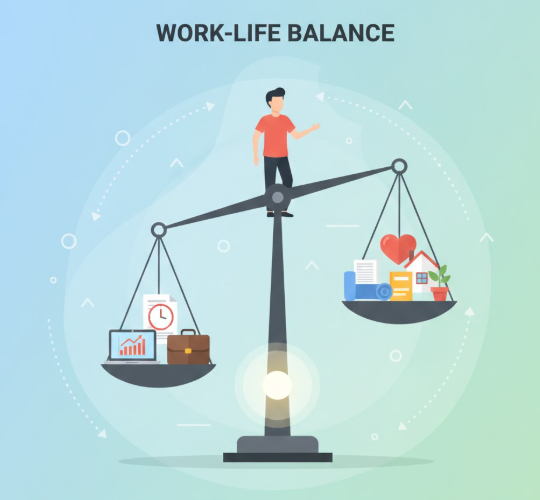
Balance Life and Discover the True Value of Life: A Complete Guide
In today’s fast-moving world, many people are constantly busy but still feel unfulfilled. Work responsibilities, personal expectations, financial pressures, and digital distractions often make it difficult to balance life effectively. When balance is missing, stress increases, relationships suffer, and the deeper value of life becomes harder to recognize.
Living a meaningful life is not about doing everything perfectly; it is about creating harmony between personal well-being, relationships, goals, and purpose. Understanding how to manage priorities and maintain emotional clarity can transform both happiness and long-term success.
Understanding What It Means to Balance Life
Balancing life means managing time, energy, and priorities in a way that supports physical health, emotional stability, professional growth, and meaningful relationships. Balance does not mean dividing time equally between activities; instead, it means giving attention to what truly matters at each stage of life..
Research in workplace wellness studies shows that individuals who maintain a healthier work-life balance report higher productivity, lower stress levels, and improved overall life satisfaction. This demonstrates that balance is not only a lifestyle choice but also a performance advantage.
Why Recognizing the Value of Life Is Essential
Many people measure success only through financial achievements or career progress. However, the true value of life comes from experiences, relationships, personal growth, and emotional well-being. When individuals understand what truly matters to them, they make decisions that align with long-term happiness rather than short-term pressure.
Key Areas That Define Life’s Value
- Strong personal relationships
- Physical and mental health
- Meaningful goals and achievements
- Contribution to others or society
- Personal growth and self-awareness
When these areas are aligned, people feel more satisfied, motivated, and emotionally resilient.
Common Reasons People Struggle to Balance Life
1. Overcommitment and Poor Time Management
Many individuals take on too many responsibilities without clear priorities, leading to exhaustion and reduced focus. Without structured planning, important personal areas such as health or relationships often get neglected.
2. Constant Digital Distractions
Smartphones and social media consume a significant portion of daily attention. Studies suggest that the average person spends several hours daily on digital platforms, often reducing productivity and personal engagement time.
3. Lack of Clear Life Direction
When people do not define personal goals or values, they often follow external expectations rather than internal priorities. This creates a sense of imbalance and dissatisfaction.
Practical Steps to Balance Life Effectively
Step 1: Define What Truly Matters
Start by identifying your top priorities—health, family, career, learning, or personal growth. Once priorities are clear, decision-making becomes easier because you know where to focus your time and energy.
Step 2: Create Realistic Daily and Weekly Plans
Planning does not mean rigid scheduling. Instead, create flexible routines that include time for work, relaxation, relationships, and self-care. Even small daily habits, such as short exercise routines or dedicated family time, significantly improve balance.
Step 3: Set Boundaries That Protect Your Time
Learning to say “no” to unnecessary commitments helps maintain mental clarity. Boundaries ensure that urgent tasks do not constantly replace important life priorities.
Step 4: Invest in Mental and Emotional Wellness
Practices such as reflection, journaling, meditation, or coaching conversations help individuals stay emotionally balanced and focused on long-term goals.

How Understanding the Value of Life Improves Decision-Making
When people clearly understand the value of life, they make more thoughtful decisions about career choices, relationships, and personal investments. Instead of chasing temporary achievements, they build meaningful progress aligned with their long-term vision.
For example, a professional who recognizes the importance of health and family may design a career plan that supports both financial growth and personal time. Over time, this balanced approach creates sustainable success rather than burnout.
The Role of Coaching in Achieving Life Balance
Many individuals know they need balance but struggle to implement consistent systems. Personal coaching helps individuals:
- Clarify life priorities
- Develop structured goal-setting systems
- Build sustainable habits
- Improve stress management
- Maintain accountability for lifestyle changes
Studies in coaching effectiveness show that individuals working with structured guidance report significant improvements in goal achievement and life satisfaction, largely because of accountability and personalized strategies.
Small Daily Habits That Strengthen Life Balance
Simple habits can make a major difference:
- Start the day with clear priorities
- Schedule time for health and movement
- Maintain meaningful conversations with loved ones
- Limit unnecessary digital distractions
- Reflect weekly on progress and personal goals
Consistency in small habits gradually transforms daily routines into balanced living systems.
Conclusion: Create a Life That Reflects What Truly Matters
Learning to balance life is not a one-time decision but a continuous process of adjusting priorities, building healthy routines, and staying aligned with what truly matters. When individuals understand the deeper value of life, they begin to focus on meaningful progress instead of constant busyness.
If you are looking for structured guidance to improve clarity, life balance, and long-term personal success, Global Life System Extension offers personalized coaching programs designed to help individuals align their goals, habits, and mindset with a more fulfilling life path. Through expert coaching strategies, clients gain practical tools to manage priorities, reduce stress, and create sustainable personal growth. Learn more at: https://professionalmentoringnyc.com/
FAQs
1. What does it mean to balance life?
It means managing time, energy, and priorities in a way that supports health, relationships, career growth, and personal well-being.
2. Why is understanding the value of life important?
It helps individuals make decisions aligned with long-term happiness rather than short-term pressures.
3. How can coaching help improve life balance?
Coaching provides structured goal-setting, accountability, and personalized strategies to create sustainable routines and clarity.
4. What are the biggest challenges to maintaining life balance?
Overcommitment, digital distractions, and lack of clear priorities are the most common challenges.
5. How long does it take to see improvements in life balance?
Many people begin noticing improvements within a few weeks of implementing structured habits and planning systems.
Building wealth is often seen as a financial process, but in reality, it is deeply connected to mindset, behavior, and long-term decision-making patterns. Many individuals have access to financial tools and opportunities, yet only a small percentage consistently grow their assets over time. The difference often lies in guidance, discipline, and psychological strategy — which is where asset growth mentoring and family wealth consulting play a powerful role. These approaches focus not only on financial planning but also on shaping the habits, thinking patterns, and strategies required to sustain wealth across generations. Wealth creation is strongly influenced by behavioral psychology. Studies in behavioral finance suggest that emotional decision-making—such as panic selling, impulsive investments, or short-term profit chasing—often reduces long-term returns. Successful investors and wealth builders tend to follow structured systems, maintain discipline, and make decisions aligned with long-term objectives. Asset growth mentoring helps individuals develop these psychological strengths, enabling them to think strategically instead of reacting emotionally to market or financial pressures. When these factors are developed intentionally, individuals create a stronger foundation for sustainable financial success. Asset growth mentoring is a structured guidance process that helps individuals and families build long-term strategies for increasing and protecting financial assets. Unlike short-term financial advice, mentoring focuses on education, disciplined planning, and long-term wealth-building habits. Research in financial coaching indicates that individuals who follow structured mentoring systems often demonstrate higher savings consistency and improved long-term asset performance, primarily due to better decision-making discipline. While individuals may build wealth during their lifetime, preserving and growing wealth across generations requires careful planning. Family wealth consulting focuses on long-term financial continuity, ensuring that wealth strategies are aligned with family values, future goals, and succession planning. Families who adopt structured wealth consulting strategies are more likely to sustain financial stability across generations rather than losing accumulated wealth due to a lack of planning. Many financial losses occur because of impulsive decisions driven by fear or overconfidence. Asset growth mentoring introduces structured decision frameworks that help individuals evaluate opportunities logically. When individuals work with mentors, they are more likely to follow consistent saving and investment strategies. Accountability encourages long-term commitment to financial goals. Financial knowledge reduces uncertainty and improves confidence. Mentoring helps individuals understand financial systems, enabling them to make informed decisions rather than relying solely on external advice. A clear long-term vision shifts focus from short-term gains to sustainable growth. This perspective significantly improves wealth accumulation over time. Consider a family that earns well but struggles to build lasting wealth due to inconsistent investment decisions. Through asset growth mentoring, they develop structured saving plans, diversified investment strategies, and disciplined financial routines. With the addition of family wealth consulting, the family creates a long-term wealth transfer plan and financial education systems for future generations. Over time, the family moves from uncertain financial management to structured wealth creation and preservation, demonstrating how mentoring transforms financial outcomes. Today’s financial environment is more complex than ever, with numerous investment options, evolving markets, and changing economic conditions. Without structured guidance, many individuals struggle to create consistent financial growth strategies. As a result, mentoring-based approaches are becoming an increasingly important part of wealth-building systems worldwide. Professionals, entrepreneurs, and families are recognizing that long-term wealth success depends not only on income but also on disciplined strategies, education, and strategic planning—core elements supported by asset growth mentoring and family wealth consulting. Wealth creation is not only about financial resources; it is about disciplined thinking, long-term planning, and strategic decision-making. Asset growth mentoring helps individuals develop the mindset and systems necessary for consistent asset expansion, while family wealth consulting ensures that financial success is preserved and strengthened across generations. If you are seeking structured guidance to improve financial discipline, long-term wealth planning, and strategic decision-making, Global Life System Extension provides mentoring and coaching programs designed to support individuals and families in achieving sustainable financial clarity and long-term growth. Learn more at: https://professionalmentoringnyc.com/ It is a structured mentoring approach that helps individuals build disciplined strategies for long-term asset growth and financial decision-making. It supports long-term wealth planning, succession strategies, and financial education for future generations. Professionals, entrepreneurs, and families aiming to create sustainable long-term financial growth can benefit from mentoring. Yes, mentoring provides accountability, structured planning, and education, which significantly improve consistency in financial decisions. Absolutely. Beginners benefit from learning foundational financial strategies that help avoid common wealth-building mistakes.
Asset Growth Mentoring for Long-Term Wealth Creation

The Psychology Behind Asset Growth, Mentoring, and Wealth Creation
Understanding the Psychology of Wealth Creation
Key Psychological Factors in Wealth Growth
What Is Asset Growth Mentoring?
Core Areas Covered
The Role of Family Wealth Consulting in Long-Term Financial Success
Benefits of Family Wealth Consulting
Why Mentoring Improves Wealth Outcomes
1. Structured Decision-Making Reduces Financial Mistakes
2. Accountability Strengthens Financial Discipline
3. Education Builds Confidence
4. Long-Term Vision Encourages Sustainable Wealth Creation
Practical Example: Mentoring in Action
The Growing Importance of Wealth Mentoring in Modern Financial Planning

Conclusion: Building Wealth with Strategy and Psychological Strength
FAQs
1. What is asset growth mentoring?
2. How does family wealth consulting help families?
3. Who should consider wealth mentoring?
4. Can mentoring improve financial discipline?
5. Is wealth mentoring useful for beginners?
Modern life often moves faster than our ability to process it. Between professional responsibilities, personal commitments, and constant digital engagement, stress has become a common part of daily living. Many people attempt to manage stress by focusing only on productivity or time management, yet real transformation requires a deeper approach—one that addresses mental, emotional, physical, and lifestyle factors together. This is where holistic life coaching and holistic wellness coaching offer powerful solutions. Rather than treating stress as a single issue, holistic coaching helps individuals build sustainable balance by improving mindset, habits, health routines, and emotional clarity simultaneously. Holistic life coaching focuses on the entire person instead of isolated challenges. Stress is rarely caused by just one factor; it often results from the combined impact of workload pressure, lifestyle imbalance, lack of clarity, and emotional fatigue. By addressing all these dimensions together, holistic coaching creates long-term transformation instead of temporary relief. Research in wellness and workplace performance shows that individuals who adopt integrated wellness strategies experience lower stress levels, improved focus, and higher life satisfaction, demonstrating the effectiveness of holistic approaches. Holistic wellness coaching is a structured process that helps individuals improve physical health, emotional resilience, productivity habits, and personal well-being through personalized strategies. The goal is not only to reduce stress but also to build sustainable energy, clarity, and life satisfaction. When these areas improve together, individuals experience stronger long-term well-being rather than short-term motivation. Many stress-management methods fail because they address only symptoms, such as fatigue or time pressure, without solving the root causes. For example, productivity tools may help organize tasks, but they cannot resolve emotional burnout or lack of life direction. Holistic life coaching helps individuals identify deeper stress triggers—such as unrealistic expectations, unclear priorities, or unhealthy routines—and replaces them with sustainable habits that support long-term balance. Mental overload often leads to poor decision-making and reduced productivity. Coaching helps individuals develop clarity by setting meaningful goals, prioritizing tasks effectively, and building a growth-oriented mindset. Simple daily habits—such as consistent sleep schedules, mindful breaks, and planned reflection time—can significantly improve emotional stability. Holistic wellness coaching focuses on designing routines that align with personal lifestyle needs. Learning how to recognize emotional triggers allows individuals to respond calmly instead of reacting impulsively. Techniques such as journaling, guided reflection, and structured coaching conversations help build emotional resilience. Rather than separating work and personal life rigidly, holistic coaching helps individuals design integrated schedules that support both productivity and personal well-being. Consider a professional who works long hours, struggles with fatigue, and feels disconnected from personal goals. Traditional productivity solutions may increase task completion but fail to improve overall well-being. Through holistic life coaching, the individual begins to: Within months, the individual experiences improved energy levels, better decision-making, and greater satisfaction in both professional and personal life. Behavioral research shows that long-term lifestyle change happens when multiple areas of life are improved simultaneously. For instance, improving sleep, mindset, and time management together produces far better results than addressing each factor separately. This integrated approach explains why holistic wellness coaching is increasingly used in leadership development, executive coaching, and personal growth programs worldwide. Organizations and individuals who adopt holistic strategies often report higher engagement, improved performance, and reduced burnout, highlighting the measurable impact of integrated wellness systems. Because holistic coaching addresses both mindset and lifestyle systems, it supports transformation across multiple areas of life simultaneously. Major life transformations rarely happen overnight. Instead, consistent small improvements—such as better daily routines, clearer priorities, and healthier emotional responses—gradually create lasting balance. Coaching provides the structure and accountability needed to maintain these improvements over time. When individuals begin to manage energy, mindset, and goals intentionally, stress naturally decreases and productivity becomes more sustainable. Stress is not always avoidable, but the way we respond to it can be transformed. Holistic life coaching helps individuals create meaningful life balance by aligning mindset, health habits, emotional well-being, and personal goals. At the same time, holistic wellness coaching provides structured strategies that support long-term resilience and consistent personal growth. If you are ready to move from constant stress to sustainable balance, Global Life System Extension offers personalized coaching programs designed to help individuals improve clarity, reduce stress, and build healthier life systems. Through tailored coaching strategies, clients develop practical tools that support both professional success and personal well-being. Learn more at: https://professionalmentoringnyc.com/ 1. What is holistic life coaching? 2. How does holistic wellness coaching reduce stress? 3. Who should consider holistic coaching? 4. How long does it take to see results from coaching? 5. Can holistic coaching improve productivity?
Holistic Life Coaching for Stress-Free Balanced Living

From Stress to Balance: Holistic Life Coaching and Wellness Strategies
Understanding the Holistic Approach to Life Balance
What Is Holistic Wellness Coaching?
Key Areas Addressed in Holistic Coaching
Why Stress Management Requires a Holistic Strategy
Wellness Strategies That Support Lasting Life Balance
1. Mindset Reset and Mental Clarity
2. Building Sustainable Daily Routines
3. Emotional Awareness and Stress Regulation
4. Work-Life Integration Instead of Work-Life Conflict

Practical Example: Moving from Overwhelm to Balance
The Science Behind Holistic Coaching Effectiveness
Who Benefits Most from Holistic Coaching?
Building a Balanced Life Through Consistent Small Changes
Conclusion: Transform Stress into Sustainable Balance
FAQs
It is a coaching approach that focuses on improving mindset, lifestyle habits, emotional balance, and personal goals together for overall well-being.
It identifies root causes of stress and introduces sustainable routines, mindset strategies, and wellness practices that improve resilience.
Anyone experiencing stress, burnout, or a lack of life balance can benefit from holistic coaching programs.
Many individuals notice improvements in clarity and stress levels within a few weeks, while deeper lifestyle changes build over several months.
Yes, improved mental clarity, energy management, and goal alignment naturally enhance productivity and focus.